API 5L Line Pipe: PSL1 vs PSL2 and What to Specify on the Order
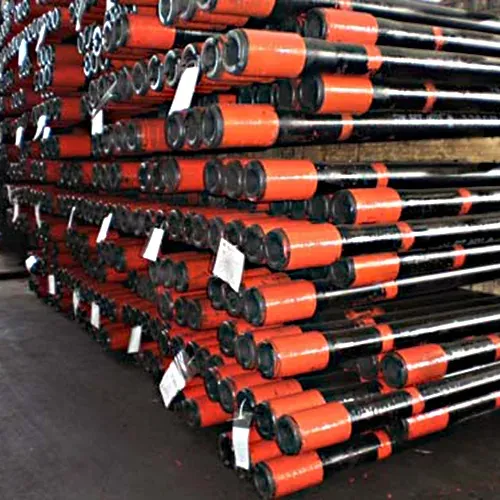
API 5L covers seamless and welded line pipe for oil and gas transmission. PSL2 adds mandatory carbon equivalent, toughness, yield and NDT requirements over PSL1. Here is how to specify.
KNOWLEDGE
Steel procurement guides and project supply notes.

API 5L covers seamless and welded line pipe for oil and gas transmission. PSL2 adds mandatory carbon equivalent, toughness, yield and NDT requirements over PSL1. Here is how to specify.

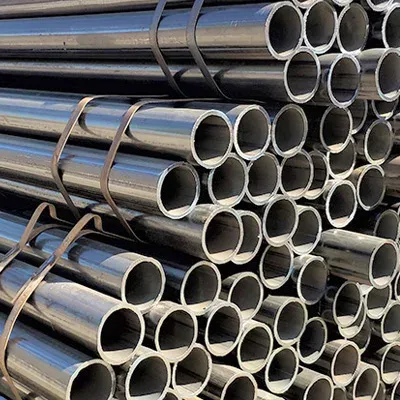
ASTM A106 Grade B is the seamless carbon steel pipe specified for high-temperature service. Understand what the grade covers and what to confirm before you order.

Use the standard formula W = 0.02466 x wall thickness x (outside diameter - wall thickness) to estimate welded steel pipe weight per metre before you order or quote freight.

NACE MR0175 / ISO 15156 sets the metallurgical requirements for carbon and low-alloy steel used in sour oil and gas service. Understand when it applies and why it matters.

ASTM A335 covers seamless chrome-moly pipe for high-temperature service. Compare grades P11, P22 and P91 and what to verify when ordering.

ASTM A519 covers seamless carbon and alloy mechanical tubing with tight outer diameter control and strong mechanical properties for precision parts.

A practical guide to boiler tube grades and standards: carbon, carbon-molybdenum, Cr-Mo and austenitic stainless, with ASME temperature limits.

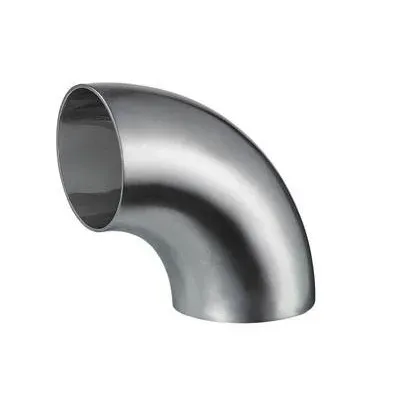
Butt welding fittings such as elbows, tees, reducers and caps are formed by hot mandrel, cold squeeze, UO, hydraulic bulge and deep drawing methods.

Carbon steel flanges come in several ASTM grades, including A105, A350 LF2, A182 and A694. Learn how each grade is used and how to prevent rust.

Compare carbon, stainless, alloy and specialized seamless pipe materials against strength, corrosion, temperature and cost before you specify.