Sep 12, 2026Procurement Guides
How to Choose the Right Material for Seamless Steel Pipe in Industrial Projects
Compare carbon, stainless, alloy and specialized seamless pipe materials against strength, corrosion, temperature and cost before you specify.
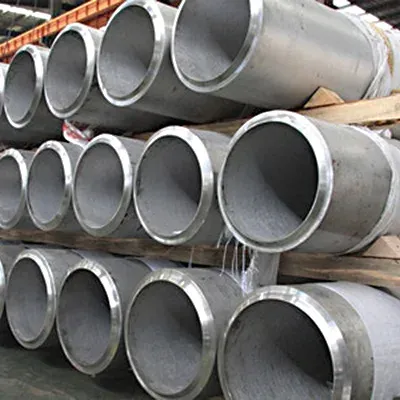
Quick answer: Match the material to four project conditions - strength, corrosion, temperature and cost. Carbon steel is the general-purpose choice, stainless steel suits corrosive and high-temperature service, alloy steel handles high pressure and special environments, and nickel or titanium alloys are reserved for specialized duties.
Why Material Selection Decides Project Performance
Material is one of the key factors determining the performance and application of seamless steel pipes. Different materials have different characteristics and advantages, so understanding their properties is essential when a pipeline is specified.
Carbon Steel: The Workhorse Material
Carbon steel is one of the most commonly used materials for seamless steel pipes. It has excellent mechanical properties and weldability and is relatively affordable in price. Carbon steel is mainly composed of iron and carbon with small amounts of manganese, silicon and other elements.
Low, Medium and High Carbon Steel
According to carbon content, carbon steel is further divided into low carbon steel, medium carbon steel and high carbon steel. Low carbon steel has good plasticity and toughness and suits general engineering applications. Medium carbon steel has higher strength and suits the manufacture of mechanical parts. High carbon steel offers excellent hardness and wear resistance, making it suitable for cutting tools and bearings.
Stainless Steel: Corrosion Resistance First
Stainless steel is the corrosion-resistant seamless pipe material. It is composed of iron, chromium, nickel and other elements and offers excellent corrosion resistance, mechanical properties and high-temperature strength. It suits chemical engineering, food processing and medical equipment.
Austenitic and Duplex Stainless Steel
By chromium and nickel content, stainless steel can be divided into grades that include standard, duplex and austenitic stainless steel. Austenitic stainless steel has excellent weldability and strength and is suitable for both high and low temperature environments. Duplex stainless steel has higher strength and corrosion resistance, making it suitable for marine environments and the chemical industry.
Alloy Steel: Built for High Pressure and High Temperature
Alloy steel improves its performance by adding alloying elements to carbon steel. It provides high strength, hardness and wear resistance and suits engineering applications under high temperature, high pressure and special environments. Common alloying elements include chromium, molybdenum, vanadium and manganese.
Different combinations of alloying elements give alloy steel different properties, such as corrosion resistance, heat resistance and wear resistance. That is why alloy steel is selected by duty rather than by a single headline number.
Specialized Materials: Nickel Alloys and Titanium Alloys
Beyond the three common materials, specialized options are available. Nickel alloy steel offers excellent corrosion resistance and high-temperature strength, suitable for the chemical and aerospace industries. Titanium alloy steel has low density and strong corrosion resistance, making it suitable for ships and marine engineering.
Material selection is not a price decision alone - the wrong grade can pass a dimensional check and still fail in service within months.
Four Selection Criteria
Strength Requirements
Select the material based on the load and operating conditions of the project so that the pipe meets the required strength.
Corrosion Resistance
If the seamless steel pipes will run in corrosive environments such as chemical or marine engineering, choose materials with good corrosion resistance.
Temperature Requirements
Choose a material suited to the working temperature. Some materials show excellent stability and heat resistance at high temperatures and are well suited to high-temperature environments.
Cost Considerations
The cost of different materials varies greatly, so budget and performance requirements should be weighed together rather than in isolation.
FAQ
Which seamless pipe material is most common?
Carbon steel is one of the most commonly used materials, thanks to good mechanical properties, weldability and relatively affordable cost.
When should I choose stainless steel seamless pipe?
When corrosion resistance, mechanical performance and high-temperature strength are required, as in chemical engineering, food processing and medical equipment.
What is alloy steel used for?
Alloy steel suits engineering applications under high temperature, high pressure and special environments where high strength, hardness and wear resistance are needed.
Are there materials beyond carbon, stainless and alloy steel?
Yes. Nickel alloy steel suits the chemical and aerospace industries, and titanium alloy steel suits ships and marine engineering.
Send your standard, sizes and destination port to our engineering team for a confirmed recommendation.