Sep 12, 2026Procurement Guides
Carbon Steel Flange Grades: A Buyer's Introduction
Carbon steel flanges come in several ASTM grades, including A105, A350 LF2, A182 and A694. Learn how each grade is used and how to prevent rust.
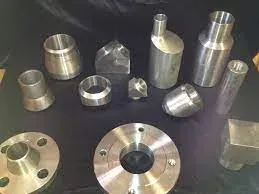
Quick answer: Carbon steel flange grades include ASTM A105, A182, A350 LF2 and A694, and the right choice depends on temperature, pressure and service. Grade is set largely by chemical composition, especially carbon content, which raises strength and hardness but can reduce toughness and weldability.
What a Carbon Steel Flange Is
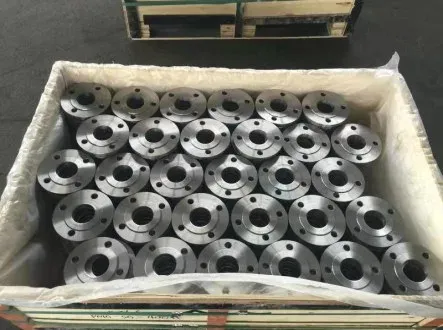
A carbon steel flange is a forged carbon steel component designed to connect sections of pipe, or to join pipe to a pressure vessel, valve, pump or other equipment. Iron and carbon are the main components, and the grade of the product depends on the material ratio, such as carbon content. The carbon content of carbon steel flanges is typically about 1 percent to 2.1 percent by weight. Increasing carbon content makes the steel stronger and harder after heat treatment, but toughness becomes worse, and without heat treatment a higher carbon content reduces weldability.
Common Grades at a Glance
The most commonly used material grades for carbon steel flanges are ASTM A105, A182, A694 and A350, with A516 also used. A105 is the general forged carbon steel grade. A350 LF2 is a low-temperature forging grade. A182 covers flanges for stainless and alloy high-temperature service. A694 covers high-yield material for oil and gas transmission.
ASTM A105 Flange
The A105 flange is forged carbon steel for fittings, flanges, valves and similar parts, and for pressure systems in elevated-temperature service. This grade works in the region of about 500 to 550 degrees. Typical uses include hydrocarbon processing, marine engineering, pump manufacturing, petrochemical plants, valve manufacturing, oil and gas equipment and nuclear power projects. Available types include plate flanges, welding neck flanges and blind flanges.
ASTM A350 LF2 Flange
The A350 LF2 flange covers carbon steel, ring-rolled flange, valve and low-alloy forging grades for low-temperature forging accessories. These flanges are known for high temperature and pressure resistance, strength and durability. The grade offers good processability when annealed, normalised or forged, giving medium strength and a leak-free connection at reasonable cost. Because of its hardness characteristics, it is often preferred over traditional austenitic stainless steel in certain services.
ASTM A182 Flange
The A182 grade is used for stainless steel pipe flanges, rolled alloys, forgings, valve forgings and other high-temperature equipment. It is widely applied in the petroleum industry, chemical industry and papermaking, and it is valued for durability, so that a correctly supplied flange does not need early repair after installation.
ASTM A694 Flange
A694 is a stricter material than the grades above, developed for high-pressure fluid transmission in oil and gas pipelines. Because the service demands strength at both low and high temperature, manufacturers develop stronger steel for this duty. As with carbon steel generally, increasing carbon content makes the steel harder and stronger after heat treatment, while toughness and, without heat treatment, weldability fall.
Choose a flange grade from the service conditions first - temperature, pressure and fluid - then confirm the chemistry, since carbon content drives both strength and weldability.
How to Prevent Rust on Carbon Steel Flanges
Carbon steel can rust, and three practical measures reduce the risk. Paint or oil helps lubricate the steel and forms a rust-proof barrier that also allows parts to move with friction. Rust-proof paint covers the metal in a protective layer that keeps water out, preventing rust and general corrosion. Electro-galvanizing, in yellow or white zinc, applies a zinc layer that keeps water and oxygen away from the steel.
FAQ
What is the most common carbon steel flange grade?
ASTM A105 is the general forged carbon steel grade used for a wide range of flange and valve applications.
What is A350 LF2 used for?
A350 LF2 is a low-temperature forging grade used where strength and toughness are needed at low temperature, such as oil and gas equipment.
Does higher carbon content make a flange better?
Higher carbon raises strength and hardness after heat treatment, but it reduces toughness and weldability, so the grade must match the service.
How can carbon steel flanges be protected from rust?
Common methods are oil or paint films, rust-proof paint, and electro-galvanizing with yellow or white zinc.
Tell SPAI STEEL the flange type, grade, size, pressure rating and service conditions, and our team will confirm a suitable carbon steel flange and arrange inspection, marking and delivery documentation.