Grades & Materials
Acid-Resistant Seamless Steel Pipe for Corrosive Service
Acid-resistant seamless steel pipe guide: chromium and nickel alloying, chemical and pharmaceutical uses, safety value and selection points.
KNOWLEDGE
Steel procurement guides and project supply notes.
Acid-resistant seamless steel pipe guide: chromium and nickel alloying, chemical and pharmaceutical uses, safety value and selection points.
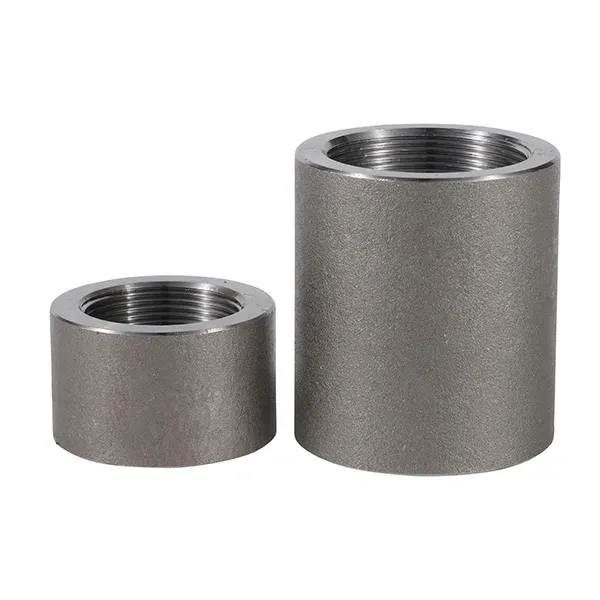
304 seamless stainless steel pipe is a precision rolled product built around a general-purpose austenitic grade containing roughly 18 percent
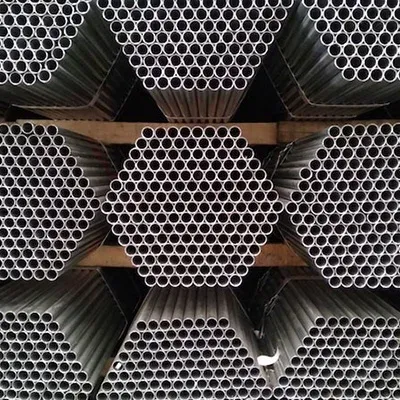
25A steel pipe guide: strength, corrosion and high-temperature performance, typical industrial and structural uses, and specification advice.
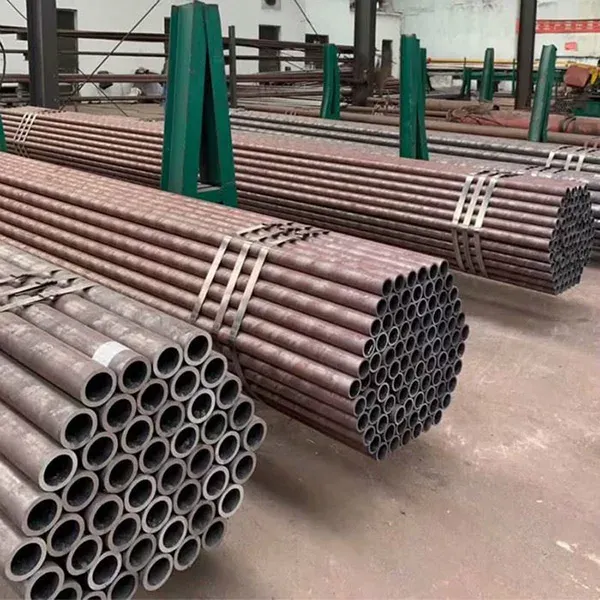
16Mo3 alloy steel pipe guide: elevated-temperature strength, oxidation resistance, weldability and use in boilers, vessels and heat exchangers.
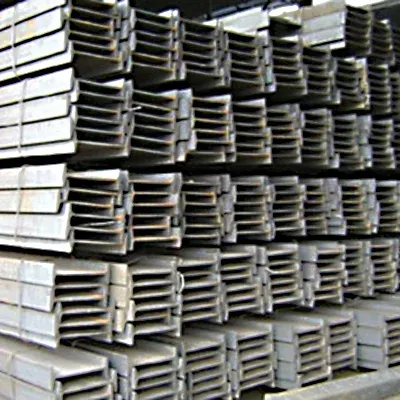
ERW, LSAW and SSAW cover different diameter and pressure windows. Here is where each process fits - and where it does not - based on our production ranges and project supply record.
Compression, welding, flange, crimp and cone-thread are the five common ways to join seamless steel pipe. Compare them by pressure, size and maintenance needs before you order.
SS304 (18-8) is the cost-effective general-purpose grade; SS316 (18-10) adds alloying elements for higher chloride and pitting resistance. Here is how to choose between them.
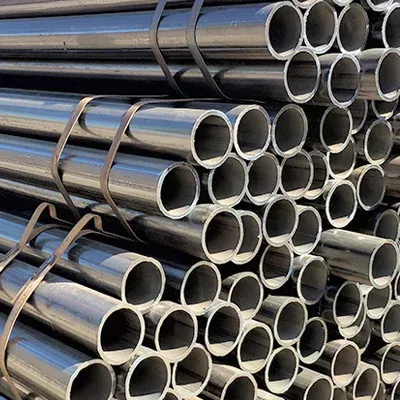
A53 covers black and hot-dip galvanized welded and seamless pipe for general service; A106 covers seamless carbon steel pipe for high-temperature service. Compare chemistry and availability.
Seamless stainless pipe is drawn from a solid billet with no weld seam; welded pipe is formed from strip and joined at a seam. Compare pressure, length, cost and corrosion behaviour.
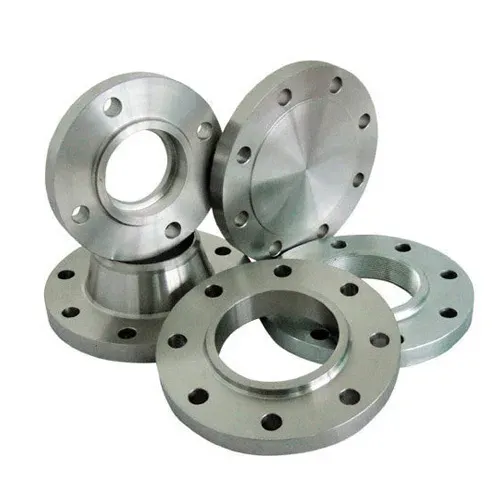
A flange is the bolted connection between pipe, valve and equipment. Learn what a flange joint consists of, which materials are used, and how to select one for leak-free service.