Sep 12, 2026Procurement Guides
ASTM A53 vs ASTM A106 Steel Pipe: What Buyers Must Check Before Ordering
A53 covers black and hot-dip galvanized welded and seamless pipe for general service; A106 covers seamless carbon steel pipe for high-temperature service. Compare chemistry and availability.
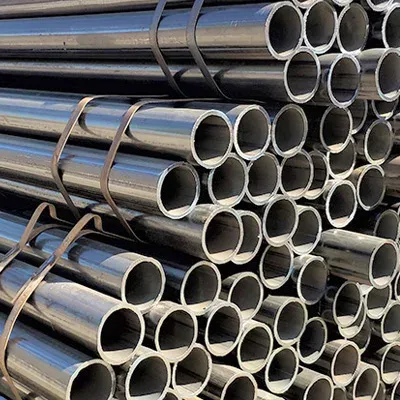
Quick answer: ASTM A53 is the specification for black and hot-dip galvanized, welded and seamless steel pipe for general service. ASTM A106 is the specification for seamless carbon steel pipe for high-temperature service. In practice A53 is the everyday choice for lower-temperature general piping and can be supplied welded or seamless, while A106 is specified where elevated-temperature strength matters and is normally seamless.
What Each Standard Covers
ASTM A53 is the standard specification for black and hot-dip galvanized, welded and seamless steel pipe. Whether you receive welded or seamless product depends on how the pipe is purchased, and the specification covers both galvanized and black pipe.
ASTM A106 is the standard specification for seamless carbon steel pipe for high-temperature service. The grades have broadly similar chemistry, but A106 product is intended for elevated-temperature service and is supplied as seamless tube.
Chemistry Differences That Matter
The clearest differences show up when A106-B and A53-B seamless pipe are compared side by side:
1. Silicon. A106-B carries a minimum silicon content, while A53-B does not. Silicon is an important element for improving heat-resistance performance, which is one reason A106 is the grade specified for hotter service.
2. Manganese. A106-B specifies a manganese range of roughly 0.29-1.06%, whereas A53-B runs to about 1.2%.
3. Sulfur and phosphorus. A106-B holds low sulfur and phosphorus at a maximum of about 0.035%, while A53-B permits higher levels of about 0.05 and 0.045% respectively.
In short, A106-B is the tighter, more closely controlled chemistry, and that control is what supports its high-temperature use.
Welded versus Seamless Availability
A53 can be welded or seamless depending on the purchase method, and the standard is written to cover both. A106 is a seamless tube. A common market convention, at least in the United States, is that welded pipe is normally ordered to A53 and seamless pipe to A106; a buyer asking for A53 may be offered A106 as a substitute.
Where Each Pipe Is Used
A53 is the general-service workhorse - black or galvanized, welded or seamless - and is chosen for ordinary piping duties. A106 is chosen where the pipe will see elevated temperatures, which is why it is associated with boiler, process and high-temperature piping rather than general service.
The standard is not a label on the certificate - it decides which chemistry, which manufacturing route and which testing regime the mill must follow.
What to Confirm on the Purchase Order
Because the two standards have different scope and cover different service types, the manufacturing process and the required quality-control testing and inspection differ as well. Before ordering, confirm four items: the exact standard and grade; whether welded or seamless is acceptable; the silicon, sulfur and phosphorus limits required by the project; and the inspection and certificate package the buyer needs. Where the project runs to a customer specification, that specification should be quoted alongside the ASTM grade.
FAQ
Can A106 be substituted for A53?
In some markets A106 is offered as a substitute for A53 requests, but it is the buyer's decision to accept it. The two standards differ in chemistry control and in scope, so substitution should be recorded on the order.
Is A53 always welded?
No. A53 covers both welded and seamless pipe; which one you receive depends on the purchase method.
Why does A106 specify silicon?
Silicon improves heat-resistance criteria, which supports the high-temperature service A106 is written for.
Which standard should I order for a boiler line?
A106 is the specification written for high-temperature service, so it is the usual starting point. Confirm the grade, wall thickness and inspection package with the project engineer. Send your standard, sizes and destination port and our engineering team will confirm what is available.
Send your standard, grade, sizes and destination port to our engineering team for a confirmed recommendation.