Sep 12, 2026Procurement Guides
Seamless Steel Pipe Connection Methods: A Buyer's Comparison Guide
Compression, welding, flange, crimp and cone-thread are the five common ways to join seamless steel pipe. Compare them by pressure, size and maintenance needs before you order.
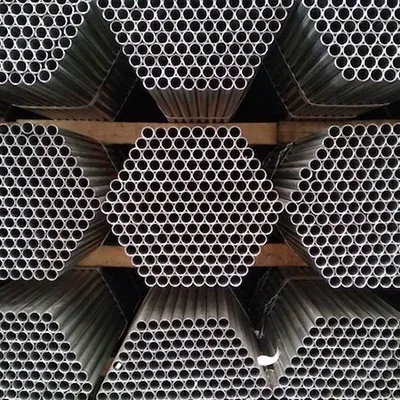
Quick answer: seamless steel pipe is normally joined by one of five methods - compression, welding, flange, crimp (press) and cone-thread. Welding suits permanent, high-integrity lines; flanges suit equipment that must be opened for maintenance; compression and crimp suit smaller-bore instrumentation and utility tubing; and cone-thread suits threaded high-pressure joints. The right choice depends on pressure, bore, whether the joint must be reopened, and the installation tools available on site.
The Five Main Connection Methods
1. Compression connection. The pipe is pushed into the fitting end and the nut is tightened. The tightening force drives a sleeve onto the pipe end through a sealing ring, so the joint seals mechanically without heat or welding. This is common on smaller-bore tubing where speed and repeatability matter.
2. Welded connection. The pipe end is beveled first, then joined with a circumferential seam by manual or automatic welding. Welding gives a continuous, full-strength joint and is the usual answer for permanent process lines.
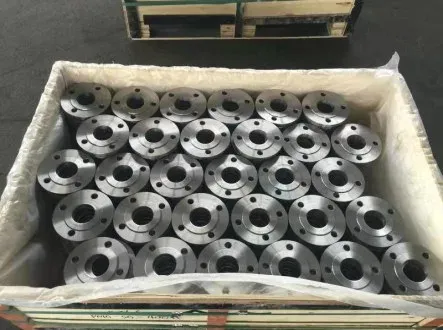
3. Flange connection. A flange ring is welded onto the pipe, and the joint is made by tightening bolts or quick clamps. A gasket between the facing flanges provides the seal. Flanged joints can be opened repeatedly, which is why they are used around pumps, valves and equipment.
4. Crimp (press) connection. The pipe is inserted into the fitting and a dedicated installation tool presses the pipe wall into a hexagonal shape. The internal sealing ring deforms to match, locking and sealing the joint in one operation without flame.
5. Cone-thread connection. An external thread ring is welded to the pipe, and the joint is completed by sealing the internal thread fittings with a cone-thread connection. This is a threaded route for lines that must be assembled and broken down on site.
Match the joint to the service, not to the habit of the installer - the same pipe diameter can carry very different pressures depending on how it is connected.
Welded Connections: When They Are the Right Choice
Beveled-end welding remains the default for permanent transmission and process pipe because the joint is continuous and does not rely on a gasket or a compression sleeve. In practice the decision is driven by whether the line will ever be opened. If it will not, welding usually wins on integrity and on installed cost per joint at larger sizes. If it will, a flanged or threaded joint saves time on every future maintenance event.
Flanged, Threaded and Press Connections Compared
Flanged joints trade a higher material cost for serviceability, and they are the standard interface to equipment. Threaded and cone-thread joints avoid welding near a component but demand careful make-up to seal. Compression and press joints are fast and flame-free, which matters in refurbishment, on-site retrofits and small-bore work - but they are normally specified within a defined size and pressure window rather than for heavy-wall mainline service.
How Seamless Pipe Is Made, and Why It Matters to Joints
Seamless pipe is produced by cold drawing or hot rolling. Cold-drawn production is generally more involved: the pipe blank first passes three-roll continuous rolling, then sizing and surface inspection; if no cracks are found on the surface, the round tube is cut into roughly one-metre billets.
The pipe then goes through annealing and acid pickling. During pickling it is important to check the surface for excessive bubbling, because heavy bubbling indicates the pipe does not meet the corresponding standard and will not machine or weld predictably.
Hot-rolled seamless pipe is generally delivered in the hot-rolled condition after heat treatment. After quality inspection it is hand-selected, oiled and subjected to drawing tests, with a perforation test after hot rolling. If the perforation diameter is oversized, straightening and correction are carried out. A clean, well-controlled surface is what makes a weld or a compression joint reliable.
How to Choose: Practical Selection Rules
Ask four questions before specifying a joint. First, will the line be opened for maintenance? If yes, flange it. Second, what pressure and temperature will it see? Permanent high-integrity service points to welding. Third, what size and wall thickness is involved? Small-bore instrumentation favours compression or press. Fourth, what is available on site - weld sets, press tools, or only hand tools? Cone-thread and compression need no heat.
Where the pipe also has to satisfy a project specification, confirm the standard grade first (for example GB, API, ASTM, ASME/ANSI, BS, DIN, JIS or GOST), because the grade dictates which connection methods the purchaser can approve.
FAQ
Can the same seamless pipe be supplied for welding and for threading?
Yes, provided the wall thickness suits the operation. Threading removes material, so lighter walls are usually reserved for welded service.
Which connection is best for high-pressure lines?
Welded and cone-thread joints are the usual choices for high-pressure service. Compression and press joints are normally applied within their published size and pressure windows.
Are press and compression joints suitable for outdoor pipelines?
They can be, but the seal material and the pipe material must suit the site conditions. For aggressive or marine environments the pipe grade and the sealing compound both need review.
Do I need to specify the connection when I order the pipe?
Yes. End preparation - plain, beveled, threaded or grooved - is decided at order stage and it changes how the pipe is cut and finished. Send the standard, sizes, end type and destination port and our engineering team will confirm what is feasible.
Send your standard, sizes, end type and destination port to our engineering team for a confirmed recommendation.