Sep 12, 2026Procurement Guides
Pipe Flanges: What They Are and How to Choose the Right Type
A flange is the bolted connection between pipe, valve and equipment. Learn what a flange joint consists of, which materials are used, and how to select one for leak-free service.
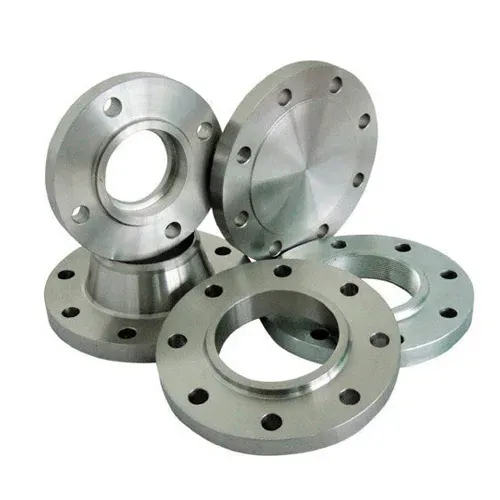
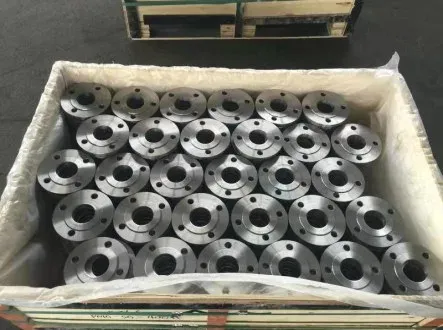
Quick answer: a flange is a protruding ridge or edge - usually a disc with bolt holes - used to connect pipe, valves, pumps and other equipment into a piping system. A flange joint is built from three components: the two flanges, a gasket between them and the bolts that compress the assembly. Flanges are chosen where the line must be opened for cleaning, inspection or maintenance.
What a Flange Does
A flange increases strength at the joint and distributes load, but its main job is to make a pipe run serviceable. Flanges are welded or screwed to the pipe end, and the joint is formed by bolting two flanges together with a gasket trapped between them to create the seal. They are commonly found on machines, valves and special applications, and on lines that are regularly maintained.
The Three Parts of a Flange Joint
Flanges, gaskets and bolts form one integrated sealing system. Each has to be selected correctly, and each has to be controlled at assembly, because a leak-proof joint depends on the combination rather than on any one part. A correct flange with the wrong gasket, or correct parts bolted unevenly, will still leak.
Materials Used for Pipe Flanges
Pipe flanges are made in a range of materials and grades. The most commonly used are carbon steel and high-yield carbon steel, alloy steel, stainless steel, duplex and super duplex stainless steel, and nickel alloy grades such as Monel, Inconel and Hastelloy, along with chromium-nickel alloys. Material selection follows the service: carbon steel for cost-effective general duty, and the higher alloys where corrosion or temperature demands them.
A flange is not a single part - it is a sealing system of flange, gasket and bolts, and it fails as a system.
How to Select a Flange
Work through five points. First, the connection method: welded or threaded. Second, the pressure rating required by the line. Third, the face type and gasket that suit the fluid and the pressure. Fourth, the material, which follows the pipe material and the environment. Fifth, the bolting and the assembly procedure, since torque and sequence determine whether the joint seals. Where the line is regularly opened, flanged connections save time at every maintenance event.
FAQ
Why use a flange instead of welding the joint?
Flanges allow the joint to be opened for cleaning, inspection, replacement and maintenance. A welded joint is permanent by comparison.
What are the three parts of a flange joint?
The flanges themselves, the gasket between them and the bolts that hold the assembly together.
Which material is most common for flanges?
Carbon steel is the most common for general service. Alloy, stainless, duplex, super duplex and nickel alloys are used where corrosion resistance or temperature requires them.
Can a flange leak even if the parts are correct?
Yes. Gasket choice, bolt tightening sequence and torque all affect sealing, so the joint must be assembled to a controlled procedure.
Send your flange type, size, pressure rating and destination port to our engineering team for a confirmed recommendation.