Sep 12, 2026Procurement Guides
How to Store Precision Steel Pipe to Prevent Rust and Extend Service Life
Storage location, stacking, covering and inspection practices that prevent rust and extend the service life of precision steel pipe.
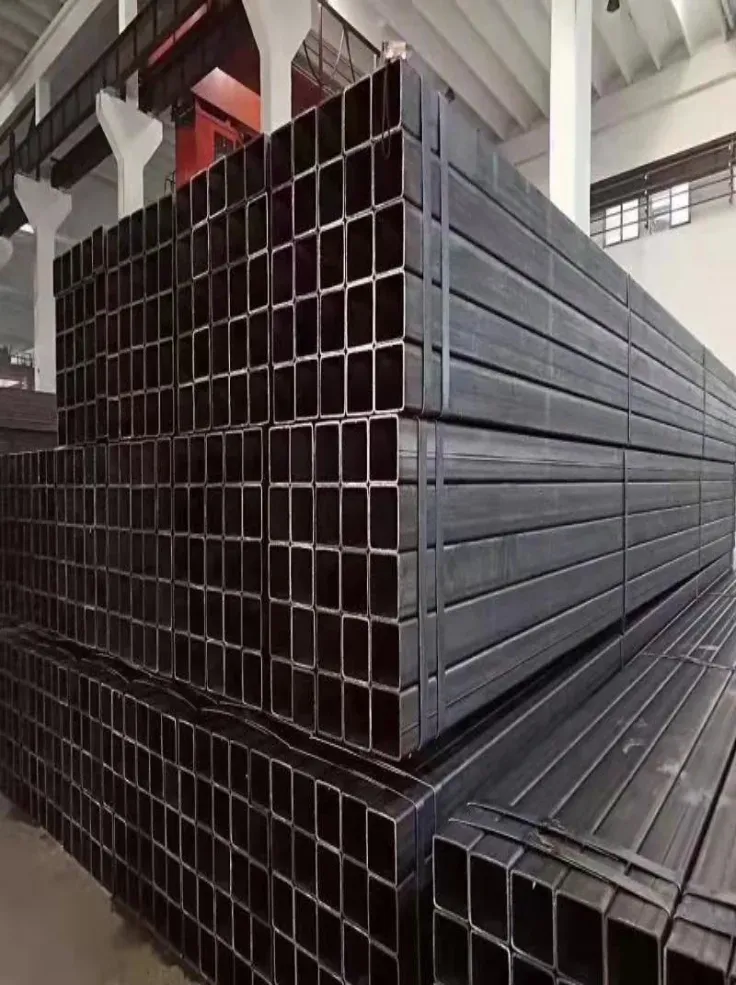
Quick answer: Store precision steel pipe in a clean, well ventilated place away from debris and harmful gases, keep the surface clean, support the stack off the ground, cover it with opaque material while still allowing airflow, separate it from other steel types, and inspect it regularly for rust.
Choose the Right Storage Location
Choose a suitable storage location that is clean, well ventilated and free of debris and harmful gases. Keeping the surface of the steel pipe clean is the first line of defence against corrosion.
For higher priced metal products, sealed storage can be considered, but good ventilation should still be ensured. Precision steel pipes should be protected during storage with opaque coverings to prevent rusting and aging. The covering should be sturdy and reliable, ensure good ventilation, and prevent water vapor from accumulating on the surface.
Protect the Pipe Surface
When storing, steel pipes should be supported and kept at a certain distance from the ground to ensure good ventilation. Keeping the pipes clear of the floor reduces the moisture that drives surface corrosion.
Precision steel pipes should also be pickled using chemical and electrolytic methods. Chemical cleaning can thoroughly clean surfaces, but may not be able to remove dirt from small crevices, so the choice of method should match the condition of the pipe.
Stack and Support Correctly
When stacking, pay attention to the number of layers to avoid local stress on the pipe ends and damage to the anti-corrosion coating. Proper stacking means placing materials by type and specification, with the bottom of the stack elevated, sturdy and flat to prevent moisture and deformation.
Steel sections stored outdoors must be placed on wooden mats or stones and slightly tilted to facilitate drainage. Ensure that the materials are placed straight to prevent bending and deformation, and leave clear passages between stacks. The inspection channel is generally 0.5 meters long and 1.5 to 2.0 meters wide, depending on the material size and the transport machinery used.
Separate Materials and Control the Environment
Keep the pipes clean, avoid stacking them with corrosive materials, and separate different types of steel for stacking to prevent mixing and cross corrosion. Precision steel pipes are used in fields such as mechanical equipment manufacturing, automotive and aerospace, so contamination that would be tolerable elsewhere is not acceptable here.
Ventilation, elevation and separation prevent more rust than any single coating - a covered stack with no airflow simply traps the moisture that starts corrosion.
Packaging, Covering and Rust Removal
Protective packaging and layers are important measures to prevent rust. Packaging materials coated with preservatives or other coatings before leaving the steel plant must be protected during transportation and loading and unloading to prevent damage and to extend the storage period of the materials.
Materials must be protected from rain and impurities before being stored. For materials that have been exposed to rain or contaminated with impurities, different cleaning methods should be used according to their properties. Materials with high hardness can be cleaned with a wire brush, while materials with lower hardness can be cleaned with cloth or cotton cloth.
After entering the warehouse, materials should be inspected regularly. If rust is found, the rust layer should be removed. For high-quality steel pipes, precision steel pipes, alloy steel plates, thin-walled pipes, high-frequency welded steel pipes and alloy steel pipes, both the inner and outer surfaces must be coated with anti-rust oil after rust removal before they are stored. Steel pipes with severe rust should not be stored for a long time after rust removal and should be used as soon as possible.
FAQ
Where should precision steel pipe be stored?
In a clean, well ventilated location free of debris and harmful gases, with the pipes supported at a distance from the ground.
Should precision pipe be covered?
Yes, with an opaque covering that prevents rusting and aging while still allowing ventilation and preventing water vapor from accumulating.
Why separate different steel types?
Separating types and specifications prevents mixing and cross corrosion, and keeps precision pipe away from corrosive materials.
What should be done after rust is removed?
For precision and high-quality pipes, coat both the inner and outer surfaces with anti-rust oil before storage, and use severely rusted pipes as soon as possible.
Send your standard, sizes and destination port to our engineering team for a confirmed recommendation.