Sep 12, 2026Procurement Guides
How to Calculate Steel Elbow Dimensions and Choose the Right Fitting
A step-by-step method to calculate steel elbow dimensions, check inner and outer diameters, and choose the right fitting for the line.
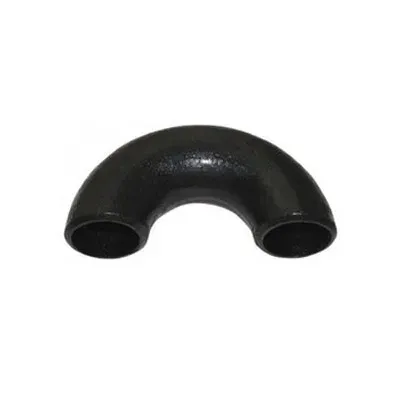
Quick answer: To calculate steel elbow dimensions, first fix the bending radius and bending angle. The straight pipe section length is based on the original pipe diameter, pi and the bending angle, and the total elbow length equals that straight section plus twice the bending radius. The inner diameter of the elbow should match the original pipeline, while the outer diameter should be at least twice the bending radius plus the straight pipe section.
The Inputs You Must Fix Before You Calculate
Bending radius and bending angle are the basis for calculating the size of a steel elbow. They directly affect the size and shape of the finished fitting, so they must be decided before any arithmetic is done. A practical workflow starts by confirming three things: the diameter of the pipeline the elbow will serve, the angle the pipeline must turn, and the bending radius the design allows.
It also helps to confirm how the elbow will connect. The inner diameter of a steel elbow should be equal to the diameter of the original pipeline, so that the bore stays continuous and the fitting does not create a step for the medium to cross.
Step by Step: Calculating the Elbow Dimensions
Step 1: Determine the Bending Radius and Bending Angle
This is the foundation of the whole calculation. The bending radius and bending angle set the size and shape of the elbow, and every later figure depends on them.
Step 2: Calculate the Length of the Straight Pipe Section
The length of the straight pipe section is found from the sine of the bending angle, the original pipe diameter and pi. For example, if the original pipe diameter is 100 mm and the bending angle is 90 degrees, the straight pipe section works out to 100 mm x pi x sin (90 degrees) = 157 mm.
Step 3: Calculate the Total Length of the Steel Elbow
The total length of the steel elbow equals the length of the straight pipe section plus twice the bending radius. Using the same 157 mm straight section and a bending radius of 50 mm, the total length becomes 157 mm + 2 x 50 mm = 257 mm.
Step 4: Calculate the Inner and Outer Diameters
The inner diameter of the elbow should be equal to the diameter of the original pipeline. The outer diameter is derived from the total length and the bending radius, and is usually required to be greater than or equal to twice the bending radius plus the length of the straight pipe section.
A steel elbow is only geometrically correct when its inner diameter matches the original pipeline and its outer diameter is at least twice the bending radius plus the straight pipe section.
A Worked Example You Can Follow
Take a line that must turn 90 degrees. The original pipe diameter is 100 mm and the chosen bending radius is 50 mm. Using the method above: the straight pipe section is 100 mm x pi x sin (90 degrees) = 157 mm, and the total elbow length is 157 mm + 2 x 50 mm = 257 mm. The inner diameter stays at 100 mm to match the pipeline, and the outer diameter is checked against the requirement of twice the bending radius plus the straight section.
This worked example shows why the radius matters so much. A smaller radius shortens the total length but changes the outer diameter requirement and the shape of the fitting, so it must be re-checked rather than assumed.
How to Choose the Right Elbow Fitting
Once the dimensions are known, selection comes down to matching the fitting to the line. Confirm that the inner bore matches the pipeline diameter, that the bending radius and angle suit the layout and the available space, and that the material and wall thickness are consistent with the rest of the system.
For corrosive or demanding service, the material grade of the elbow should be considered together with the pipe it joins, so that the joint does not become the weakest point of the run. Elbows are commonly supplied in carbon steel, stainless steel and alloy steel to match the parent line.
Where Steel Elbows Are Used
Steel elbows are key components in the oil and gas industry, where long-distance transport of oil and natural gas means pipeline direction changes are unavoidable. They are also crucial in chemical production, where process lines constantly change direction between vessels and equipment.
In the power industry, steel elbows mainly carry steam, water and other liquids. In construction they serve water supply, drainage and heating systems. In water treatment they transport raw water, treated water and wastewater, so the fitting has to resist the medium as well as handle the turn.
FAQ
What is the formula for the straight pipe section of a steel elbow?
The straight pipe section length is based on the original pipe diameter and the bending angle, using the sine of the angle and pi. For a 100 mm pipe turning 90 degrees, the result is 157 mm.
How do I calculate the total length of a steel elbow?
Add twice the bending radius to the straight pipe section length. With a 157 mm straight section and a 50 mm radius, the total is 257 mm.
Should the inner diameter of the elbow match the pipe?
Yes. The inner diameter of the steel elbow should equal the diameter of the original pipeline so the bore remains continuous.
Why does the bending radius matter so much?
The radius and angle directly govern the size and shape of the elbow, and they also feed into the outer diameter check. Change the radius and every downstream figure changes with it.
Send your standard, sizes and destination port to our engineering team for a confirmed recommendation.