Sep 13, 2026Applications & Projects
Why Exhaust Gas Treatment Systems Use Spiral Steel Pipe
Exhaust gas treatment systems use spiral steel pipe for ventilation ducts because the circular, machine-formed body gives better airtightness, lower p
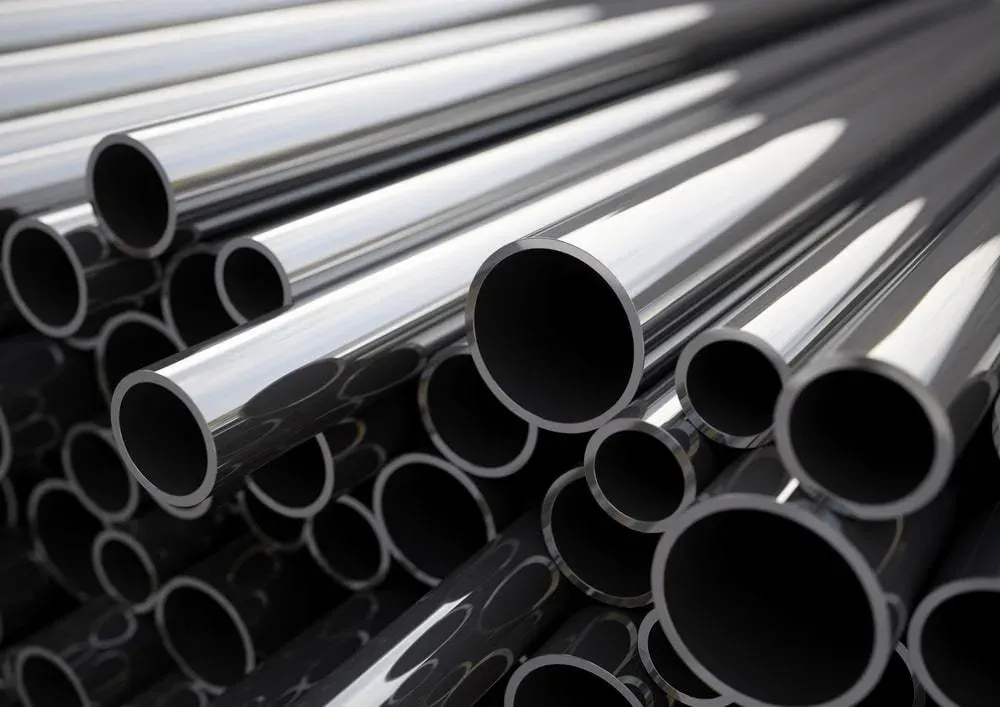
Quick answer: Exhaust gas treatment systems use spiral steel pipe for ventilation ducts because the circular, machine-formed body gives better airtightness, lower pressure loss and faster installation than rectangular ductwork. The duct is not a minor accessory. It is the part that decides whether waste gas can be moved and treated safely.
Why the Ventilation Duct Matters
In industrial waste gas treatment, attention often goes to visible equipment such as purification towers, fans and activated carbon chambers, while a crucial supporting element is overlooked: the spiral steel pipe of the ventilation duct. It functions like the blood vessels of the system and directly determines whether waste gas can be effectively and safely treated.
Structure and Airtightness
Spiral steel pipe is a thin-walled steel pipe with a spiral seam formed by rolling a metal strip. It is manufactured on automated lines. Compared with traditional welded steel pipe it offers improved airtightness, with a leakage rate reported as low as below 1 percent against a national standard of 5 percent or less. That difference matters most when toxic and hazardous gases are being transported.
The circular section also keeps the velocity profile more even across the duct than a flat-sided section can. Less turbulence at the corners means fewer places for gas to stall, and fewer joints means fewer paths for leakage. In an exhaust gas line, the cost of a leak is not only lost efficiency but also the risk of untreated gas escaping into the workplace.
Pressure, Energy and Installation Performance
Pressure resistance is the first performance advantage. The spiral seam forms a continuous reinforcement rib, increasing pressure-bearing capacity by more than 30 percent compared with rectangular ductwork. Under the figures cited, a 300 mm diameter spiral steel pipe can withstand 3000 Pa without deformation.
Energy savings are the second. The circular cross-section gives a uniform air velocity distribution, reported as 40 percent lower eddy current resistance than rectangular ducts, 15 to 20 percent lower pressure loss and 8 to 12 percent lower annual operating energy consumption.
Installation speed is the third. Socket-type flange connections are reported to be three times faster than traditional flanges, letting a single person install 30 to 50 metres per day and shortening the construction cycle.
Which Industries Require Spiral Steel Pipe
Chemical plants use corrosion-resistant stainless steel pipe to transport acidic and alkaline waste gases. Electronics manufacturing benefits from low dust accumulation and excellent sealing for cleanroom operation. Food processing needs a smooth, easy-to-clean interior that meets hygiene standards. Printing operations need resistance to organic solvents for safe and reliable service.
In an exhaust gas system the duct is not a passive connector: its airtightness and pressure behaviour decide whether the treatment equipment can do its job at all.
What to Check When Ordering
Confirm the diameter, wall thickness, material, connection type and airtightness requirement before ordering. Where the gas is corrosive, a stainless steel grade is often necessary. Standard families such as GB, ASTM, DIN, JIS and GOST and inspection through SGS, BV, TUV and TUBOSCOPE give buyers an independent way to verify the delivered product.
FAQ
Is spiral duct more expensive than conventional duct?
The initial investment is reported as slightly higher, in the region of 10 to 20 percent, but energy savings and low maintenance are said to pay that back within one to two years.
Does spiral duct easily accumulate dust?
The smooth inner surface of a circular duct is less prone to dust accumulation and has a longer maintenance cycle than rectangular ductwork.
Does installation require special skills?
The standard modular design allows a normal installation team to assemble it, but an experienced contractor is recommended to ensure a secure seal.
Which material suits corrosive waste gas?
Corrosion-resistant stainless steel pipe is used where acidic or alkaline gases must be transported.
Send your duct diameter, gas conditions, standard and destination port to the SPAI STEEL team for a confirmed recommendation.