Sep 12, 2026Procurement Guides
Pickling and Passivation for Stainless Steel Welded Pipe: What They Do
What pickling and passivation remove and create on stainless steel welded pipe, and why they matter for corrosion, hygiene and welding.
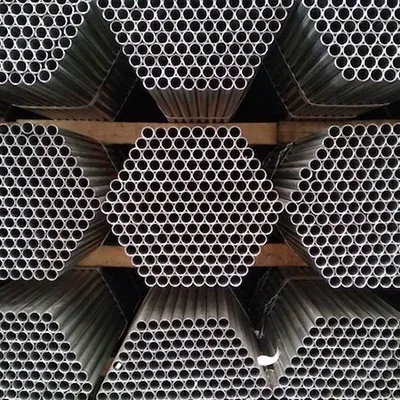
Quick answer: Pickling removes oil, dust, iron filings, oxide scale and weld discoloration from the surface of stainless steel welded pipe. Passivation then forms a dense chromium oxide film that keeps oxygen and corrosive substances away from the metal, restoring corrosion resistance and improving appearance, hygiene and weldability.
What Pickling and Passivation Are
Stainless steel welded pipe is used widely in modern industry, from oil and gas transport to building structures, from medical device manufacturing to food processing. Stainless steel is susceptible to environmental influences during use, especially in acidic or corrosive environments, where a thin oxide layer forms on the surface and may affect service life and function.
Acid pickling and passivation is a chemical treatment process that removes impurities, oxides and other pollutants from the surface of stainless steel through specific chemical reactions, forms a uniform oxide film and enhances corrosion resistance. The process both cleans the surface and extends service life, while improving aesthetics and functionality.
Removing Surface Impurities
During production and transportation, the surface of stainless steel welded pipes may be contaminated with oil, dust and iron filings. These pollutants not only affect appearance, they can become the starting point of corrosion and reduce corrosion resistance.
The pickling process effectively removes these surface impurities, making the pipe surface cleaner and improving the overall quality of the product.
Removing Oxide Scale and Rust
During high-temperature welding of stainless steel, oxide scale forms on the surface. If it is not removed in time, the scale reacts with moisture and oxygen in the air, which further accelerates corrosion.
Pickling can remove this oxide scale thoroughly, prevent further oxidation, and protect the internal structure and performance of the welded pipe.
How Passivation Rebuilds Corrosion Resistance
Passivation treatment is usually carried out after pickling. Passivation forms a dense chromium oxide film on the surface of the stainless steel. This film effectively prevents oxygen and other corrosive substances from contacting the metal substrate, which significantly improves corrosion resistance.
Passivation of stainless steel welded pipes allows them to maintain performance in various harsh environments and extends their service life.
Pickling removes what should not be there; passivation builds what should be there - a uniform chromium oxide film that keeps oxygen and corrosive media away from the steel beneath.
Appearance, Cleanability and Hygiene
The surface of stainless steel welded pipes treated with pickling and passivation is smoother and brighter, and welding marks and defects from other welding processes are removed. This improves the appearance of the product and makes it easier to clean and maintain.
In industries with strict hygiene requirements such as food and pharmaceuticals, the cleanliness of stainless steel welded pipes is directly related to product safety and hygiene standards. Pickling and passivation remove bacteria and pollutants from the surface, helping the pipe meet those requirements and protect consumers.
Better Weldability and Standards Compliance
Pickling and passivation can also enhance the weldability of stainless steel welded pipe. During welding, surface oxides and other contaminants can cause defects such as porosity and slag inclusions. Removing these impurities through pre-treatment improves weld quality, reduces defects and supports the overall strength and reliability of the pipe.
In many industrial applications, stainless steel welded pipes must comply with strict industry standards and specifications. As a standardized treatment process, pickling and passivation helps ensure compliance with those standards and supports market acceptance.
FAQ
What does pickling remove from stainless welded pipe?
Pickling removes oil, dust, iron filings, loose oxide scale, rust and weld discoloration from the surface of the pipe.
What does passivation do?
Passivation forms a dense chromium oxide film that blocks oxygen and corrosive substances from reaching the metal substrate, improving corrosion resistance.
Why does pickling and passivation matter for food and medical use?
These industries have strict hygiene requirements. The treatment removes bacteria and pollutants from the surface so the pipe can meet cleanliness and safety standards.
How does the treatment help welding?
By removing surface oxides and contaminants before welding, it reduces defects such as porosity and slag inclusions and improves overall weld quality.
Send your standard, sizes and destination port to our engineering team for a confirmed recommendation.